Work Truck Emergency Response Ensuring Safety and Efficiency in Critical Situations
Introduction Work trucks play a crucial role in various industries, providing essential services such as transportation, construction, and maintenance. These vehicles are often deployed in challenging environments and faced with unexpected emergencies that require quick and effective responses. In this article, we will explore the importance of work truck emergency response and the strategies and technologies that can help ensure the safety and efficiency of these vehicles in critical situations. The Role of Work Trucks in Emergency Response Work trucks are essential assets in emergency response scenarios, as they are equipped to carry specialized equipment, tools, and personnel to the scene of an incident quickly. From fire trucks and ambulances to utility trucks and construction vehicles, work trucks are designed to provide critical services and support in times of need. In emergency situations such as natural disasters, accidents, or infrastructure failures, work trucks are often the first responders on the scene. These vehicles are equipped with specialized features such as emergency lighting, sirens, and communication systems to alert other vehicles and pedestrians and navigate through traffic safely. Work trucks are also equipped with tools and equipment that can be used to rescue individuals, clear debris, and restore essential services such as power and water. Challenges in Work Truck Emergency Response Despite their critical role in emergency response, work trucks face several challenges that can impact their ability to respond effectively to emergencies. Some of the key challenges include: 1. Limited visibility: Work trucks are often large and heavy vehicles with limited visibility, especially in crowded or low-visibility conditions. This can make it difficult for drivers to navigate through traffic or maneuver in tight spaces during emergency response situations. 2. https://www.heli-truck.com/vacuum-truck/ of training: Not all work truck drivers receive adequate training in emergency response procedures, which can lead to delays or mistakes in critical situations. Proper training is essential to ensure that drivers can respond quickly and effectively to emergencies. 3. Equipment maintenance: Work trucks are equipped with specialized equipment and tools that need to be regularly maintained to ensure they are in working condition during emergencies. Lack of proper maintenance can lead to equipment failure when it is needed most. 4. Communication challenges: Effective communication is essential during emergency response situations to coordinate the efforts of multiple work trucks and emergency personnel. Poor communication systems or protocols can lead to confusion and delays in response times. Strategies for Improving Work Truck Emergency Response To address the challenges faced by work trucks in emergency response situations, several strategies can be implemented to improve safety and efficiency. Some of the key strategies include: 1. Driver training: Providing comprehensive training to work truck drivers on emergency response procedures, defensive driving techniques, and communication protocols is essential to ensure they can respond effectively to emergencies. Training should be ongoing and include simulated emergency scenarios to test drivers' skills and preparedness. 2. Vehicle maintenance: Regular maintenance of work trucks and their equipment is crucial to ensure they are ready for emergency response at all times. Maintenance schedules should be established and followed diligently to prevent breakdowns or malfunctions during critical situations. 3. Enhanced visibility: Improving the visibility of work trucks through the use of high-visibility markings, reflective materials, and advanced lighting systems can help other vehicles and pedestrians to identify and avoid them during emergencies. This can reduce the risk of accidents and improve overall safety. 4. Communication systems: Equipping work trucks with advanced communication systems such as two-way radios, GPS tracking, and mobile data terminals can help drivers stay connected with dispatchers and other emergency personnel during response operations. Clear communication is essential for coordinating efforts and making informed decisions in fast-paced situations. 5. Technology integration: Integrating advanced technologies such as telematics, IoT sensors, and artificial intelligence into work trucks can provide real-time data on vehicle performance, driver behavior, and road conditions. This data can be used to optimize routes, monitor equipment status, and improve overall operational efficiency during emergency response operations. Case Studies in Work Truck Emergency Response To illustrate the importance of implementing effective emergency response strategies for work trucks, let's explore some real-world case studies where these strategies have made a significant impact: 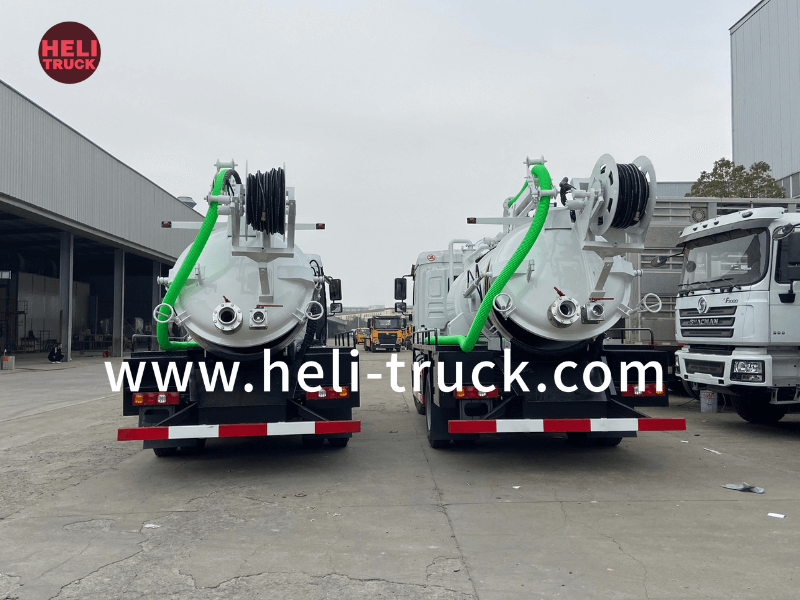 1. Case Study 1: Fire Truck Emergency Response In a recent fire emergency in a residential neighborhood, a fire truck equipped with advanced communication systems and GPS tracking was able to respond quickly to the scene. The driver received real-time updates on the fire's location and severity, allowing them to navigate through traffic and reach the site within minutes. The fire truck's high-visibility markings and emergency lighting helped clear the way for other vehicles, ensuring a safe and efficient response. 2. Case Study 2: Utility Truck Power Outage Response During a severe storm that caused widespread power outages in a city, utility trucks were deployed to restore electricity to affected areas. The utility trucks were equipped with telematics systems that provided real-time data on power grid status, outage locations, and crew availability. This information allowed dispatchers to optimize routes and allocate resources effectively, resulting in a faster restoration of power to residents and businesses. Conclusion Work trucks play a vital role in emergency response scenarios, providing essential services and support in critical situations. By implementing effective strategies such as driver training, vehicle maintenance, enhanced visibility, communication systems, and technology integration, work truck operators can improve the safety and efficiency of their emergency response operations. Through the use of advanced technologies and best practices, work trucks can continue to be reliable assets in ensuring the safety and well-being of communities during emergencies.